Lluvia, adoquines y reflejos: la ciudad que cambia de noche
La fotografía de calles empedradas con lluvia y reflejos nocturnos convierte un trayecto cotidiano en un paisaje de luces dobles. El agua oscurece los adoquines, prolonga los faroles y fragmenta los colores del neón sobre el pavimento irregular. Cuando las superficies brillan, la arquitectura parece flotar y las calles revelan una segunda ciudad, dibujada por los reflejos, las sombras y los movimientos.
Este género urbano exige observación, paciencia y sensibilidad para las horas distintas. Una calle puede ofrecer imágenes distintas al amanecer, durante una tormenta o bajo la iluminación de una tienda. La clave photographica no está en buscar una sola escena perfecta, sino en comprender cómo la humedad transforma la luz y cómo ese cambio modifica la forma de mirar un barrio.
El pavimento como espejo urbano
El charco se convierte en el escenario ideal para reproducir la atmósfera de una ciudad nocturna. Las zonas másconcertadas reflejan colores intenso, mientras los.small charcos create isolated fragments of light. Por eso convieneHandlers walking before a puddle, checking the reflection before deciding how to compose the final image.
La textura del empedrado aporta una dimensión adicional. Las juntas Darkened by the rain emphasize the pattern, and the rounded stones soften straight architectural lines. Walking slowly allows the photographer to detect these details, and it also reveals which corners remain sheltered and which are directly exposed to the rain.
La weather can also act as a frame. The bright windows of a café, the red glow of a traffic signal, or the pale light of a streetlamp may illuminate a narrow strip of pavement. These small luminous areas create contrast without requiring dramatic weather, and they turn an ordinary passage into a composition full of depth.
Encontrar reflejos en la luz artificial
Los reflejos Interesting arise when the light source has shape and color. A vertical sign produces a long line, while a rounded lamp creates a halo on the wet stones. Neon adds saturated magenta, cyan, and yellow, but softer LEDs offer subtler contrasts, which are particularly useful in residential streets and old neighborhoods.
The photographer should observe reflections from several angles. A puddle seen from a low position can duplicate a building facade, while a tilted viewpoint turns lights into abstract strokes. Changing the position of the camera by a few centimeters often changes the image more than any digital filter, as water and uneven paving constantly alter the resulting shapes.
Umbrellas, jackets, and blurred pedestrians introduce movement into these luminous surfaces. A person walking through a reflection may become a translucent silhouette or a streak of color. The camera should be raised only when a longer exposure is needed to blur the passing crowd; otherwise, the shutter speed should preserve the identity of the subject.
Velocidad, exposición y control de la cámara
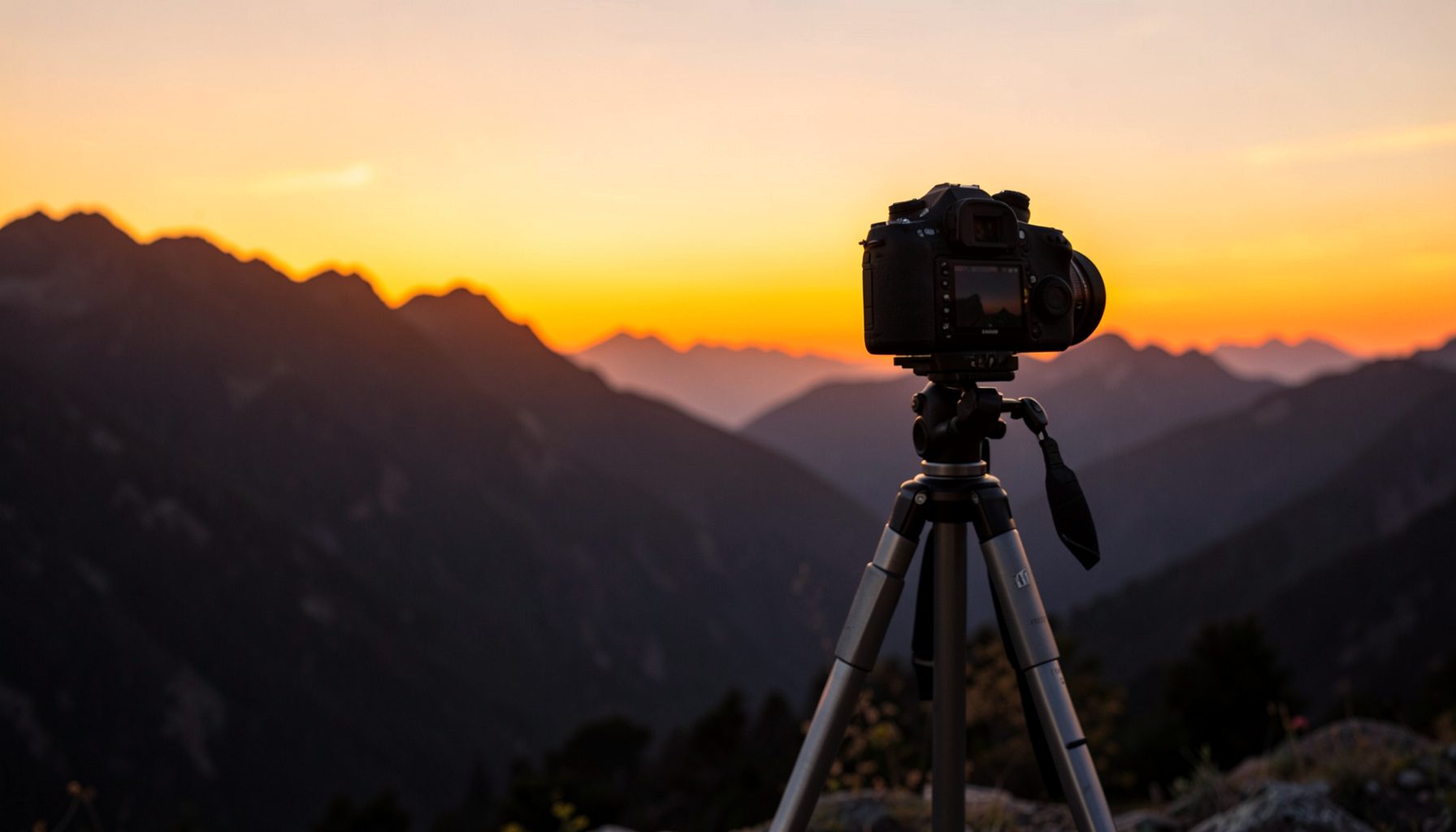
A speed of 1/15 to 1/60 second is usually sufficient to preserve most reflections while allowing rain and passing figures to blur slightly. A tripod makes speeds of 1/2 second or longer possible, and these longer exposures transform headlights and illuminated signs into flowing ribbons of light. Stability is essential, and a heavy backpack or a solid support can keep the camera steady.
The exposure should protect the luminous areas of the street. Photographers often underexpose to preserve the color of signs, but the bright reflections can still exceed the sensor’s dynamic range. Checking the histogram and reviewing the highlights at high zoom helps to prevent pale areas from becoming featureless white patches.
A wide aperture can isolate the wet pavement from the surrounding architecture, while an aperture around f/5.6 gives greater depth and keeps the pattern of the stones clear. The ISO should be kept as low as the light allows, and a RAW file offers more freedom for recovering details during editing. Rain may also reduce contrast, so careful metering becomes particularly important.
Encuadres que guían la mirada
Low viewpoints place the viewer close to the ground and make reflections occupy most of the frame. A symmetrical composition can place a person, doorway, or streetlamp in the center of the puddle. This approach works well in narrow streets where the architecture on both sides creates a natural frame.
Leading lines guide the eye through the image. Tram tracks, curbs, rows of windows, and the edges of the pavement can all direct attention toward a distant light. Tilting the camera vertically increases the presence of a single reflection, whereas using a horizontal frame allows the surrounding street to provide context and tell a fuller story.
Looking for imperfect details often produces more memorable photographs. A cracked stone beside a luminous sign, an umbrella cutting across a reflection, or a bicycle casting a delicate shadow can give the scene a distinct character. These elements also connect the polished appearance of the pavement with the everyday activity of the city.
El color que define cada barrio
White balance strongly influences the atmosphere of a nocturnal street. Warm streetlights suggest comfort and familiarity, while cool signs create a more modern and distant mood. Mixed lighting produces interesting color contrasts, but it also requires selective corrections. A global adjustment may neutralize one area while making another appear excessively blue.
The color of the reflections can be intensified without abandoning the textures of the stones. Slightly reducing orange and yellow saturation in the highlights preserves the appearance of wet pavement and maintains a natural tonal range. Local masks are useful for brightening a dark doorway or isolating a particular neon reflection.
For travelers who want to develop this technique in a more personal way, the formación fotográfica para viajeros combines online courses with individualized guidance. This approach is especially valuable for night photography, since exposure, color, and compositional decisions must be made quickly while light and weather continue to change.
De la captura al resultado final
The first selection should focus on structure rather than small imperfections. Reflections with clear shapes, coherent color, and a visible relationship between subject and setting generally form a stronger starting point than an image containing dozens of attractive but disconnected lights. Cropping can then refine the balance between pavement, architecture, and human figures.
During editing, the highlights should be recovered before the shadows are lifted aggressively. Moderate contrast can restore depth to wet streets, although excessive clarity may turn the stones into a harsh texture. A subtle vignette can direct attention toward the brightest reflection, and careful noise reduction is necessary in areas where the camera had to use a high ISO.
The best results often come from combining several exposures. One frame may preserve the architecture, another may record moving umbrellas, and a third may capture a passing vehicle reflected in the water. A coherent final image emerges when these elements share the same visual language and do not compete for attention. The finished photograph should retain the damp atmosphere of the street and make the viewer feel that the scene continues beyond the frame.