Fotografiar vidrieras iluminados desde el interior
La fotografía de iglesias con vitrales iluminados desde dentro convierte la luz en el verdadero protagonista del escena. LasInbound radiant penetrates the colored glass and creates luminous figures, intense blues and landscapes of reds, yellows and greens that rarely appear with the same intensity in exterior photography. Photographing these spaces requires attention to reflections, architectural details and the contrast between a brilliant window and a comparatively dark nave.
Working with this light also demands sensitivity toward the environment. Churches may be active places of worship, museums or protected historic buildings, so permissions and restrictions should be checked before entering. Tripods sometimes require approval, silence may be expected during ceremonies and privacy must be respected when people appear in the frame. A careful approach allows the photographer to concentrate on the atmosphere of the building without interrupting its use or diminishing the experience of those visiting it.
Preparar la visita y conocer el edificio
The best results begin with a previous visit or a detailed study of the floor plan. It is useful to identify where the windows receive direct sunlight, the orientation of the nave and the side chapels with the most interesting glass. Some churches offer several routes or exhibitions, while others restrict access to certain areas. Arriving near opening time usually provides more space, but the light may also be stronger later in the day.
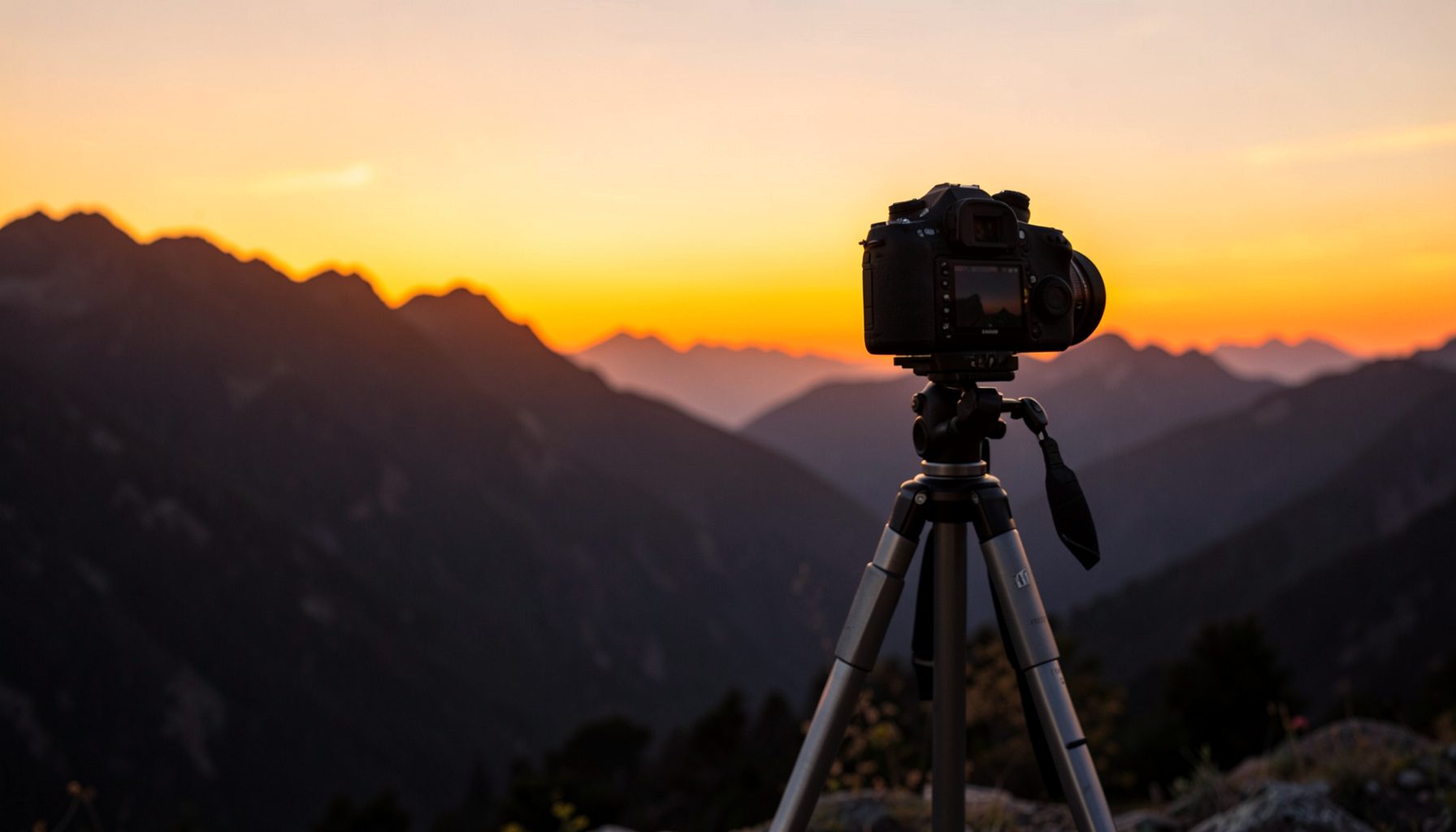
The equipment should be chosen according to the characteristics of the space. A wide-angle lens is useful for showing the relationship between the nave and the windows, whereas a telephoto lens allows isolated details of the glass to be isolated. A tripod with a removable head provides precision for long exposures and vertical compositions. It's also advisable to bring a cloth for cleaning fingerprints from a lens and to carry spare batteries, since energy consumption can increase in cold churches.
Before raising the camera, observe how brightness changes inside. A window illuminated by a clear sky may behave completely differently from one crossed by clouds or tree branches. The photographer should wait for a cloud to pass, for a beam of sunlight to reach a particular panel or for the shadows of the visitors to move away from the composition. These small variations can determine whether a photograph feels flat, dramatic or full of depth.
Interpretar la luz que atraviesa el cristal
The light entering through a window creates a natural contrast with the darker interior. When the camera exposes for the entire room, the colored glass can become pale and lose saturation. Exposing for the window instead may reveal its colors but leave the columns, altar and congregation in deep shadow. The most appropriate decision depends on whether the image should explain the architecture or emphasize the luminous artwork itself.
The histogram and the blinking highlights are more reliable than the brightness shown on the camera screen. A window can appear correctly exposed on a small display while retaining information that will be lost later. Checking the RAW preview on a larger screen helps identify clipped areas. When the scene remains static, several captures at different exposures can preserve the brilliance of the glass and still recover detail from the interior.
Color also deserves special attention. Mixed sources may produce conflicting tones: cool daylight entering the nave, warm artificial lamps near the altar and colored light filtered through the panes. Automatic white balance can neutralize these differences too aggressively, removing the visual character of the scene. A fixed value selected after inspecting the image usually provides greater consistency, especially when working on a series photographed under similar conditions.
Componer desde el interior de la iglesia
A central viewpoint can reinforce the symmetry of columns, arches and ceiling vaults. Placing the camera low along the main aisle gives prominence to the leading lines, while a higher position reveals the complete geometry of the nave. Vertical lines should remain straight, so a tripod and an electronic level are particularly valuable. If the lens produces distortion at the edges, the correction can be applied during editing without sacrificing the original frame.
Not every photograph needs to include the whole building. Close views of lead cames, painted faces, geometric borders and tiny narrative scenes reveal craftsmanship that disappears in a wide shot. These details can be photographed with a short telephoto lens or even a macro lens, provided that the minimum focusing distance allows it. Alternating broad views with intimate fragments creates a visual rhythm and prevents a series from becoming repetitive.
The journey itself can inspire a broader interpretation of the subject. The collection of viajes fotográficos por Europa illustrates how architecture, people and surrounding landscapes can enrich travel photography. In a church, this may mean including a visitor standing silently before a window, the reflection of a colored panel on polished stone or a shaft of light falling across an empty pew. These contextual elements connect the craftsmanship of the glass with the life of the building.
Ajustes técnicos para conseguir detalle
A sturdy tripod makes it possible to work with slower shutter speeds and lower ISO values, producing cleaner files with more saturated colors. In a completely static scene, shutter priorities can be left at a speed of several seconds without concern. Movement requires a faster shutter speed, an increase in ISO or both. Stabilization helps when shooting handheld, although it does not replace a tripod when the aim is precise architectural symmetry.
A polarizer can reduce glare on glass or stone, but its effect varies according to the construction of the windows. Some historic panes contain irregularities that create uneven colors or darker areas. The filter should therefore be rotated carefully and compared with a shot made without it. A lens hood remains useful for controlling flare, particularly when bright windows appear near the edge of the frame. If a veil of light crosses the image, changing the camera position is usually more effective than correcting the defect later.
Focusing on the brightest window can be deceptive because the surrounding darkness affects the autofocus system. It is often better to focus manually on a structural detail at the same distance as the glass and confirm sharpness by enlarging the preview. A remote release or the camera's two-second timer prevents vibrations caused by pressing the shutter button. Capturing in RAW preserves the tonal information needed to balance extreme brightness and shadow without the irreversible loss associated with compressed files.
Construir una serie y>defining su estilo
A coherent series requires deciding which aspects deserve the greatest emphasis. One approach prioritizes the colors and figures represented in the glass; another focuses on the interior architecture illuminated by those windows. A third combines both through diptychs, sequences and transitions between wide views and close details. The visual narrative gains strength when each image has a clear role rather than merely documenting every attractive element encountered during the visit.
The edit should protect the luminous tones while recovering enough shadow detail to recognize the surrounding space. Highlights can be reduced in small increments, and shadows lifted cautiously to avoid revealing noise. Adjusting the white balance helps unify images made under different conditions, although the distinctive hues of each pane should remain visible. Cropping can strengthen the geometry, yet it is preferable to preserve the original composition and use a separate copy for experimentation.
The final style emerges from technical control, but it also depends on the photographer's way of observing. Some people are attracted to the theatrical contrast between darkness and light; others prefer the documentary clarity of a nave filled with visitors. Keeping both the grand frames and the unnoticed details creates a body of work that conveys not only how a church looks, but also how its colored light transforms the experience of entering it.